April 25, 2026 • Celeste Morrow • 9 min reading time • Prices verified June 6, 2026
Artificial Memorial Flowers for Gravesites: What Holds Up Outdoors and What Doesn't
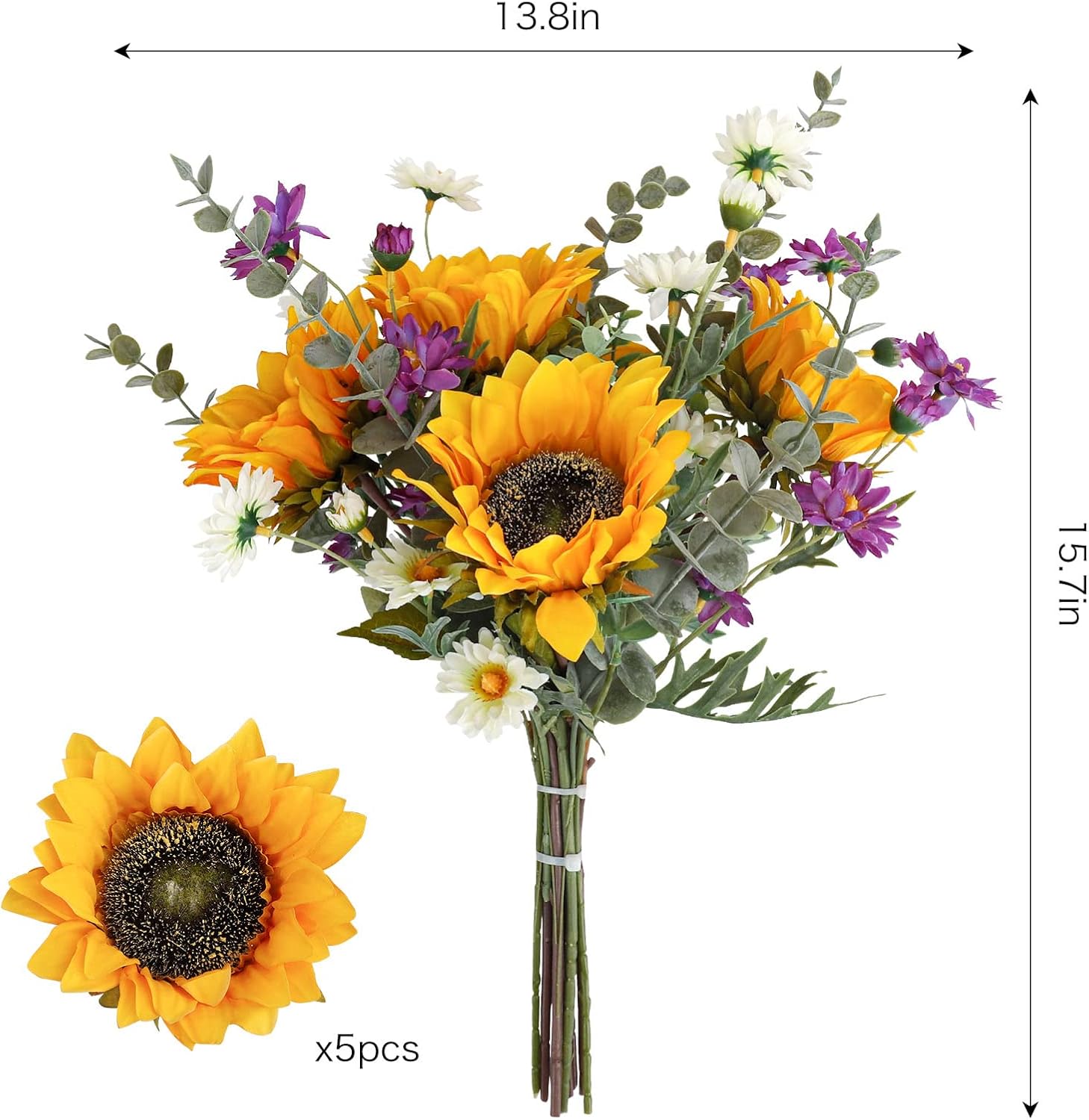
Placing artificial flowers at a grave — rather than fresh-cut blooms — is one of the most practical choices a family can make. Fresh flowers at a cemetery headstone are beautiful for a day or two, then wilt, brown, and need replacement within the week. Artificial flowers (meaning blooms made from fabric, plastic, or preserved botanical material rather than live plant matter) can hold their shape and color for months or, in the right material, for years. But not all artificial flowers are built for outdoor exposure. A silk arrangement that looks stunning in a living room can fade to a washed-out shadow of itself within a single summer at an outdoor gravesite. This guide breaks down exactly which materials survive outdoor conditions — heat, UV radiation, rain, and freeze-thaw cycles — and which don’t, with the specific markers to look for before you buy.
If you’re already familiar with faux floral materials and you’re here to make a decision about a current purchase, jump to the material comparison section. If you’re newer to the space, start at the top — the terminology definitions are embedded as you go.
Why Outdoor Conditions Destroy Most Faux Florals (And What Changes That)
Indoor faux florals and outdoor cemetery flowers are almost different product categories, even when they look identical in a product photo. The enemies are UV (ultraviolet) radiation from sunlight, moisture cycling (the expansion and contraction that happens when materials absorb rain then dry out), and temperature extremes. Each of these attacks a different part of the construction.
UV degradation is the most common failure mode. Dyes in fabric petals — especially polyester, nylon, and rayon — are generally not formulated for prolonged sun exposure. Without UV stabilizers added during manufacturing, the dye molecules break apart when hit with UV light, causing colors to bleach unevenly. Reds and pinks typically fade fastest; blues and purples are close behind. The Spruce’s overview of artificial flower selection notes that “UV resistance” is one of the primary quality markers separating cemetery-grade artificials from standard decorative stems.
Moisture cycling causes fabric petals to develop a limp, misshapen set after repeated wet-dry cycles. Glued petal attachments — common in budget stems — soften and release when soaked. Wire stem wrapping (the floral tape or paper wrap you see on most stems) degrades quickly outdoors, leaving bare wire that rusts and stains surrounding stone.
Freeze-thaw cycles are especially destructive to latex and real-touch materials (silicone-coated or latex-dipped petals designed to mimic the texture of fresh blooms). Latex becomes brittle in sustained cold and can crack or peel when frozen while wet.
The practical upshot: for gravesite use, the material specification matters more than the visual design. A $12 polyester rose that looks great in photos is almost certainly the wrong buy for an outdoor cemetery environment. A $28 PE (polyethylene) rose or a UV-treated fabric stem is likely the smarter long-term choice — and in many cases, the cheaper annual cost.
Material-by-Material Breakdown: What Lasts, What Fades, What Fails
Polysilk and Standard Polyester Fabric — Not Recommended for Outdoor Use
Most entry-level artificial stems sold in craft stores and general online retailers are made from polysilk or standard polyester fabric over a wire armature. These look convincing indoors under controlled lighting but are not designed for UV exposure. Good Housekeeping’s roundup of artificial flowers consistently flags “indoor only” as the appropriate use designation for this material class.
What happens outdoors: Colors fade within 4–8 weeks of direct summer sun exposure, based on patterns aggregated from cemetery-specific product reviews on florist supply forums and memorial garden retailer pages. Petals lose structural rigidity and droop. Glue joints at petal bases are the first points of failure in rain.
When it’s acceptable: If you’re placing flowers in a covered cemetery vase (the built-in cone or saddle arrangements at some headstones that sit at an angle, partially shielded), standard polyester stems can extend their outdoor lifespan to 3–4 months. They’re also a defensible choice if you’re replacing on a short cycle — monthly visits where you swap in fresh arrangements make the price-per-use math work even with a faster-degrading material.
PE (Polyethylene) — The Outdoor Workhorse
PE flowers are injection-molded from polyethylene plastic, which is inherently UV-stable compared to dyed fabric. The molds can capture petal veining and texture detail that rivals fabric in visual quality at mid-range price points. Apartment Therapy’s coverage of realistic-looking faux plants frequently points to PE construction as the marker that separates convincing long-term arrangements from short-lived decorative items.
What holds up: The plastic composition resists UV fading significantly better than fabric. Reviewers placing PE florals at outdoor gravesites consistently report usable color retention of 12–24 months in most U.S. climate zones. PE stems are typically wire-wrapped at the base in floral tape, which is still a weak point — look for products with sealed or silicone-coated stem wrapping if weather resistance is the priority.
Trade-offs: PE flowers have a harder, more uniform surface sheen that reads as artificial at close range. The tactile experience (what the industry calls “real-touch” quality) is lower than latex or fabric alternatives. For gravesites where the primary viewer is a visitor walking past rather than handling the arrangement, this trade-off is acceptable.
Price range: Cemetery-grade PE stems typically run $8–$25 per stem or $18–$45 per small bunch at memorial supply retailers and florist supply distributors as of early 2026.
UV-Treated Fabric — The Middle-Ground Option
Some manufacturers now produce fabric petals — usually polyester or a polyester-silk blend — with UV inhibitor coatings applied during finishing. This is a meaningful upgrade over standard polyester but requires close reading of product descriptions, because “outdoor” labeling is not standardized across sellers.
What to look for: Terms like “UV-resistant,” “UV-stabilized,” “fade-resistant outdoor formula,” or “weather-resistant fabric” in the product specification. Be skeptical of vague terms like “durable” or “long-lasting” without a specific UV claim. The Spruce’s artificial flower selection guide recommends treating any outdoor rating as credible only when it’s paired with a specific rating period (e.g., “rated for 18 months of outdoor exposure”) rather than a general marketing claim.
Expected performance: UV-treated fabric stems in well-designed products typically hold acceptable color for 12–18 months outdoors. They retain the softer, more natural petal feel of fabric construction — a meaningful aesthetic consideration for those prioritizing a lifelike appearance at close range.
Preserved Botanicals — Handle With Care
Preserved flowers are real botanical material (roses, hydrangeas, pampas grass) that have been dehydrated and treated with glycerin or similar compounds to maintain their shape and color without water. Brands like Venus ET Fleur have built premium positioning around preserved roses, and the category is growing in high-end memorial and sympathy gift applications.
The outdoor problem: Preserved botanicals are not designed for outdoor exposure. Per Martha Stewart Weddings’ overview of preserved versus fresh florals, preserved flowers are explicitly an indoor product — they’re sensitive to humidity, direct sunlight, and temperature fluctuation, all of which cause color bleed, structural collapse, and mold growth. Placing preserved florals at an outdoor gravesite without a sealed enclosure will typically result in visible deterioration within weeks.
When preserved makes sense: If the cemetery uses a sealed glass or acrylic display case at the headstone, preserved florals can be an appropriate — and visually striking — choice. Some memorial product vendors now sell sealed dome arrangements designed specifically for this application.
By the Numbers: Estimated Outdoor Lifespan by Material
| Material | Expected Outdoor Color Retention | Weather Weakness |
|---|---|---|
| Standard polyester / polysilk | 4–8 weeks (direct sun) | UV fading, glue failure |
| PE (polyethylene) | 12–24 months | Stem wrap degradation |
| UV-treated fabric | 12–18 months | Fading if UV claim is vague |
| Real-touch latex | 3–6 months | Cold cracking, UV degradation |
| Preserved botanicals | Weeks (outdoor) | Humidity, UV, temperature |
What to Look for in Product Listings Before You Buy
Most memorial flower buyers are making decisions from product pages rather than in-person inspection, so reading the listing accurately is half the skill.
Stem wrapping material: Look for “wrapped wire stems” versus “sealed stems” or “silicone-coated stems.” Bare wire wrapping with paper or standard floral tape will rust and degrade outdoors within one season.
Petal attachment method: Listings that describe “heat-bonded” or “molded” petals indicate a more weather-resistant construction than “hand-glued” or simply “hand-assembled.” Glued petal attachments are the most common single failure point in wet conditions, as noted in patterns across memorial product reviews aggregated from florist supply retailer feedback sections.
Colorfast claims: “Colorfast” is a fabric-industry term meaning the dye won’t bleed or fade significantly when wet or exposed to light. It’s a more specific claim than “durable” — if a listing uses it in the context of outdoor use, it carries more informational weight.
Vase compatibility: Many cemetery headstones have built-in saddle vases or ground-insert cone vases. Stem gauge (thickness) and bunch width matter for fit. Most PE stem bunches designed for cemetery use are sold with a stem diameter in the 4–6mm range and a bunch width that fits a standard 2-inch cone opening.
The Decision Rule
If you’re choosing artificial memorial flowers for an outdoor gravesite right now, here’s the framework:
If you visit monthly or more frequently and cost-per-placement is the priority: UV-treated polyester or standard PE stems in the $8–$20 range are defensible. Replace seasonally. The per-visit math works.
If you visit a few times a year and want arrangements that hold without deterioration between visits: PE construction with sealed stem wrapping is the minimum specification. Budget $20–$45 per arrangement. Expect 12–24 months of acceptable appearance.
If the arrangement will be in a covered or shaded cemetery vase with minimal direct sun: UV-treated fabric stems are appropriate and offer a more natural look than PE at the same price tier.
If you’re considering preserved florals because of their premium visual quality: they’re only appropriate indoors or in a sealed outdoor enclosure. Without that protection, the investment won’t survive a full season.
The single most common mistake in this category — confirmed across patterns in memorial product reviews and florist supply retailer feedback — is buying an arrangement based on color and design without checking the material specification. A beautiful $35 polysilk rose arrangement that fades to pale pink by August is a worse value than a $22 PE stem bunch that holds its color through two full seasons. The math and the material win over the aesthetic every time when the placement is outdoors.